
Myopia surgery raises many questions: Is it painful? How long does it take? What are the steps before and after the procedure?
Understanding the precise procedure involved in myopia surgery allows you to plan ahead with peace of mind and make an informed decision.
Here is a step-by-step guide to refractive surgery, from the initial assessment to post-operative follow-up.
What is myopia surgery?
Myopia surgery is an ophthalmological procedure that aims to permanently correct vision by modifying the curvature of the cornea using a laser.
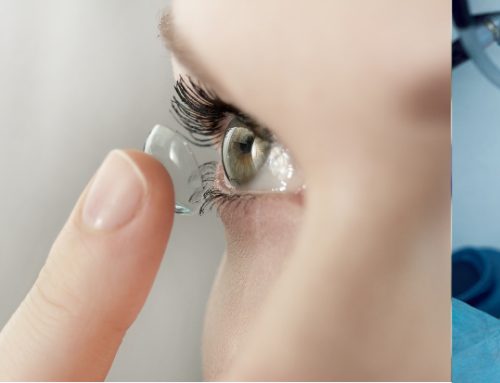
In most cases, it eliminates the need to wear glasses or contact lenses.
Several techniques exist (LASIK, Trans-PRK, SMILE), but the overall procedure remains similar, with common steps.
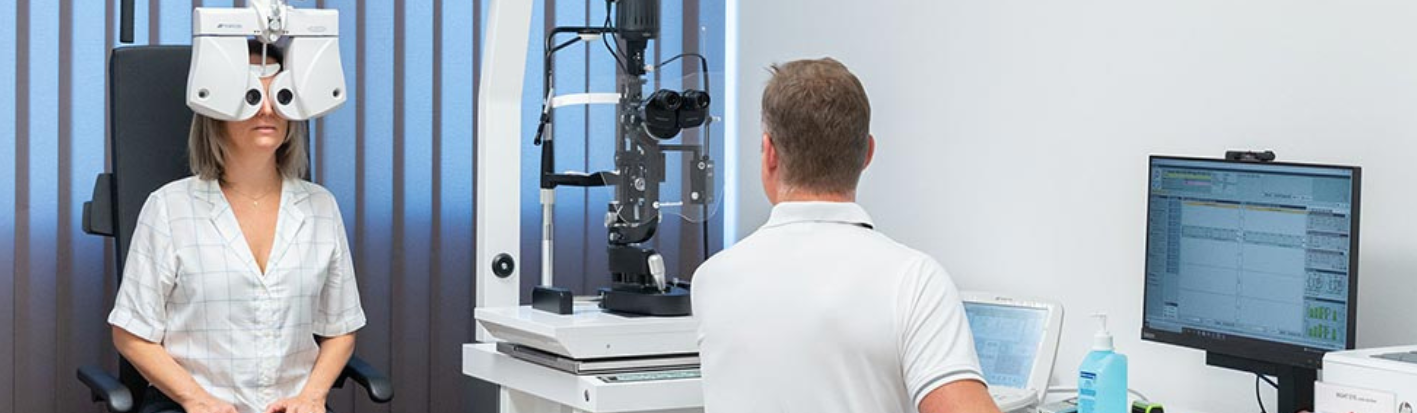
Step 1: The preoperative assessment, an essential step
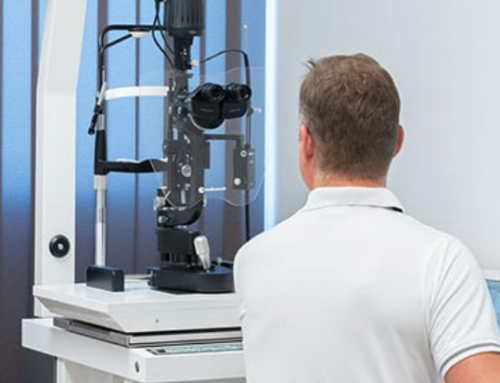
A preoperative assessment is essential before any myopia surgery. It determines whether you are eligible for refractive surgery, as not everyone is. Above all, this assessment guarantees the safety and quality of the visual outcome.
- During this comprehensive assessment, your specialist will analyze the following:
- The severity and stability of your nearsightedness
- The thickness of the cornea
- Corneal curvature
- The quality of the ocular surface
- Your age
- Your ophthalmological and medical history
These measurements enable us to choose the surgical technique best suited to your eyes and your lifestyle.
Main objective: identify any contraindications and propose the safest solution.
Step 2: Decision-making and intervention planning
If the preoperative assessment is favorable and you are eligible for refractive surgery, the doctor will explain:
- Expected results
- The benefits
- Possible limitations
- Precautions to be taken
Once all your questions have been answered and you have given your approval, a date for the procedure will be set.
This step is essential: no decisions are made in haste.
Step 3: The day of the myopia surgery
What type of anesthesia is used?
The myopia surgery is performed under local anesthesia, using anesthetic eye drops.
How does the procedure actually work?
D-Day:
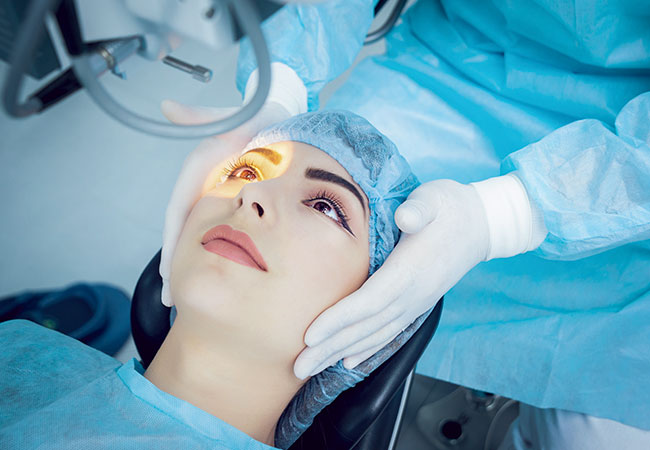
You are comfortably positioned on a surgical bed.
Your head is positioned to ensure optimal precision
A small retractor keeps the eyelids open, without causing any pain.
Simply attach a small light
The laser acts with extreme precision for just a few seconds.
How long does myopia surgery take?
Duration of the procedure: approximately 20 minutes
Total time spent at the center: approximately 1.5 hours, including:
- Preparation
- The intervention
- Immediate post-operative checkup
The procedure is painless.
Right from the start, an improvement in visual quality is often noticeable.
Step 4: Returning home after surgery
Can you drive after myopia surgery?
No.
After the procedure, you cannot drive.
The return home must be accompanied by a relative or by taxi.
Slight blurred vision or a feeling of eye fatigue is normal in the hours following the procedure.
Step 5: Postoperative follow-up, the key to success
What treatments are required after the operation?
After the procedure, local treatment is prescribed:
- Antibiotic eye drops (infection prevention)
- Anti-inflammatory eye drops
- Painkillers if necessary to improve comfort
These treatments are temporary but essential for proper healing.
Follow-up examinations after myopia surgery
Follow-up appointments are scheduled in order to:
- Check healing
- Check the stability of vision
- Ensure there are no complications
This follow-up ensures the long-term success of the intervention.
Step 6: Enjoy clear vision without glasses
Once the recovery period is over, most patients can:
- See clearly without glasses or contact lenses
- Resume their daily activities
- Enjoy lasting visual comfort
Myopia surgery thus offers a real improvement in quality of life, while remaining a regulated and safe medical procedure.
The steps involved in myopia surgery: what you need to know
| Stage | What you need to know |
| Preoperative assessment | Complete optometric and ophthalmological examinations to verify eligibility for refractive surgery and choose the most suitable technique |
| Decision-making | The decision is made only after a favorable assessment and the patient's consent. |
| Day of the procedure | Local anesthesia with eye drops, comfortable positioning, light attachment. Painless laser procedure. |
| Duration of the operation | Approximately 20 minutes for the procedure. Approximately 1.5 hours total at the center (preparation + check-up). |
| Return home | The patient cannot drive. Return accompanied by a relative or by taxi. |
| Postoperative treatment | Promote healing and prevent infections. Antibiotic and anti-inflammatory eye drops. Painkillers if necessary. |
| Postoperative follow-up | Scheduled follow-up appointments to monitor healing and visual quality |
| Long-term result | Clear vision, reduction or elimination of glasses or contact lens wear in most cases |
Frequently asked questions about the myopia surgery procedure (FAQ)
Yes, in the vast majority of cases.
No. The preoperative assessment is essential to verify eligibility.
Visual recovery begins quickly. The resumption of activities varies depending on the technique, but is generally rapid.
No. The procedure is painless thanks to the anesthetic eye drops. You may feel slight discomfort afterward, depending on the technique used.
⚠️ Important: Refractive surgery is a surgical procedure that must be carefully considered. It is not suitable for everyone, and a comprehensive assessment with a specialist is essential to determine whether you are eligible for refractive surgery and thus ensure your safety. The CNVO Center can be reached by phone at 024 552 04 00.