

Myopia has become a global epidemic, increasingly affecting younger generations. According to recent studies, by 2050, nearly half of the world's population could be nearsighted.
But why this dramatic increase? And what can we do to protect our eyes from an early age?
What is myopia?
Myopia is a vision disorder that causes difficulty seeing distant objects. This phenomenon is caused by an elongation of the eye, which causes light to focus in front of the retina rather than directly on it.
Young adults, in particular, often experience worsening myopia due to various factors (screens, lack of natural light, heredity, etc.).
Fortunately, there are measures in place to slow this progression and preserve visual health.
Rapid progression of myopia among young people
Studies show that the prevalence of myopia has increased significantly over the past 20 years. The prevalence of myopia among children aged 6 to 15 is 23.7%. Several factors explain this explosion.
The rise of screens leading to close-up viewing
Children are spending more and more time in front of:
- Smartphones
- Tablets
- Computers
- Televisions
This prolonged exposure to close-up vision promotes elongation of the eye and thus the onset of myopia.
Less time spent outdoors
Studies show that spending less than 2 hours a day outdoors increases the risk of myopia.
Spending time outdoors is excellent for your eyes. Natural light promotes the production of vitamin D, which is essential for eye health.
Looking at objects at different distances exercises the eye muscles and can slow the progression of myopia. Not to mention that being outdoors reduces screen time, limits eye strain and dryness, and promotes better circulation and oxygenation of the eyes.
The consequences of myopia in young people
- Increased eye strain
- Difficulty keeping up in class or during sports activities
- Risk of rapid progression during adolescence
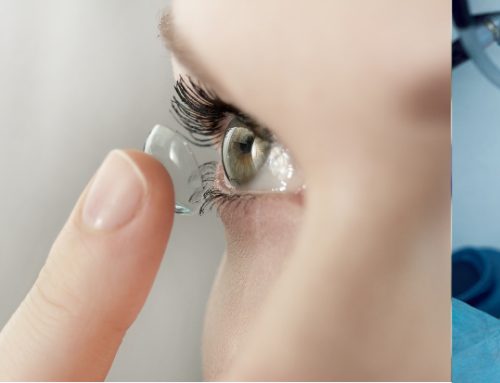
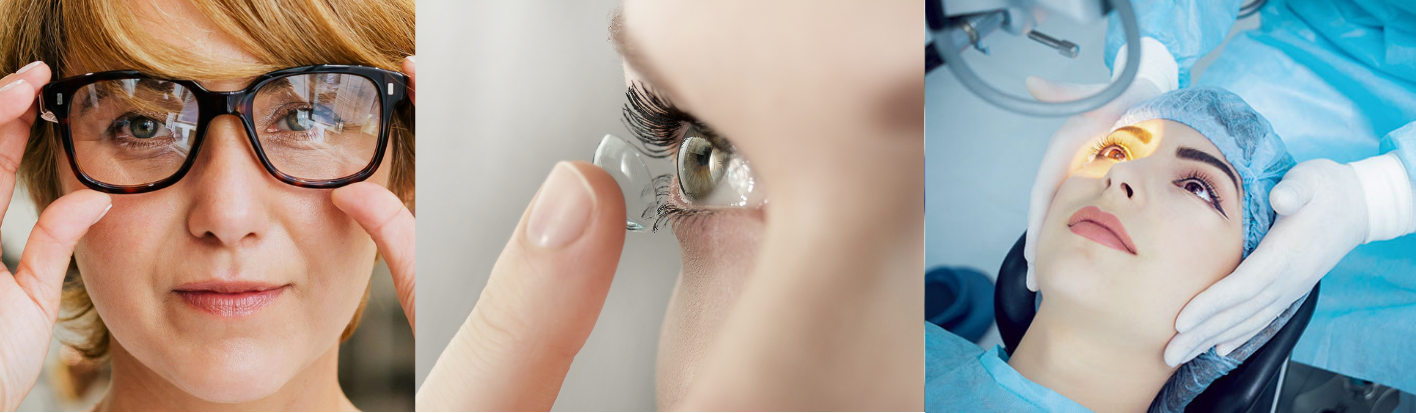
- Greater dependence on glasses or contact lenses
And for some, a high degree of nearsightedness increases the risk of long-term eye complications.
How can we slow down the progression of myopia in young people?
Even if we can't change genetics, simple actions can help:
- Increase the amount of time spent outdoors: ideally more than 2 hours per day
- Take regular breaks when reading or working on a screen.
- Adjust lighting and reading distance
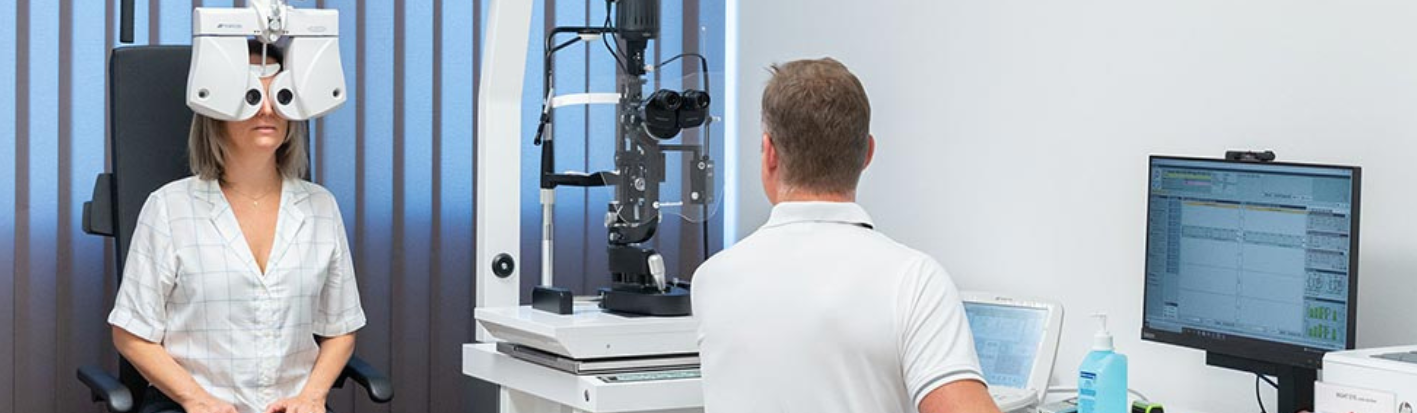
- Suivi régulier chez un ophtalmologiste pour détecter toute progression rapide. Dans certains cas, il est conseillé de consulter un ophtalmologue pour une évaluation approfondie et des conseils personnalisés. Le Centre Nord Vaudois d’Ophtalmologie (CNVO) dispose d’une consultation spécialisée pour freiner la myopie chez les enfants et les jeunes adultes myopes, avec un suivi adapté à l’évolution de leur vision.
- Make an appointment for a preoperative assessment to determine whether refractive surgery is feasible once myopia has stabilized, in order to free young adults from glasses or contact lenses if necessary.
Myopia and refractive surgery: an option for the future
For young adults whose myopia has stabilized:
- Refractive surgery can reduce or eliminate the need for glasses or contact lenses.
- Current techniques are fast, safe, and personalized.
- A comprehensive preoperative assessment is mandatory to verify eligibility for refractive surgery.
Please note: there is no surgery available to slow the progression of myopia during childhood. However, refractive surgery offers lasting visual freedom in adulthood, once myopia has stabilized and if all criteria are met during the mandatory preoperative assessment.
Myopia: causes and solutions?
| Causes | Solutions | |
| The rise of screens | Regular breaks, appropriate distance, limiting screen time | |
| Few outdoor activities | Spend 2 hours a day outdoors | |
| Genetics | Regular monitoring, prevention, and surveillance of progression | |
| Stabilized myopia in adults |
Refractive surgery may be an option to eliminate the need for eyeglasses |
Key takeaways:
La myopie chez les jeunes est en pleine expansion. La prévention commence tôt : moins d’écrans, plus de lumière naturelle, pauses visuelles, suivi régulier chez l’ophtalmologue.
Refractive surgery can offer visual freedom in adulthood after a favorable preoperative assessment.
Understanding the causes and impacts helps protect the eyesight of future generations.
Because today, better understanding means better prevention.
⚠️ Important: Refractive surgery is a surgical procedure that must be carefully considered. It is not suitable for everyone, and a full assessment with a specialist is essential to determine whether you are eligible for refractive surgery and thus guarantee your safety.
The CNVO Center can be reached by telephone on 024 552 04 00.